Thermal Tape
KSh 500
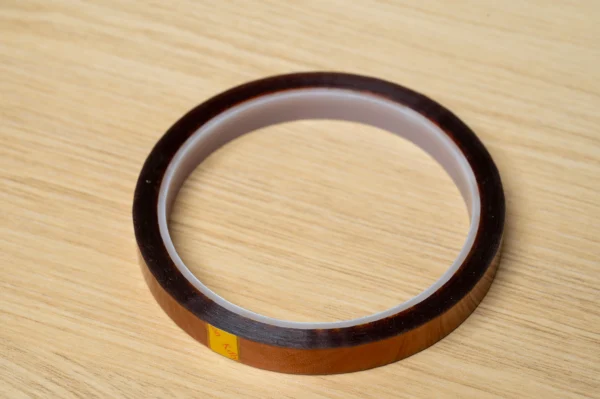
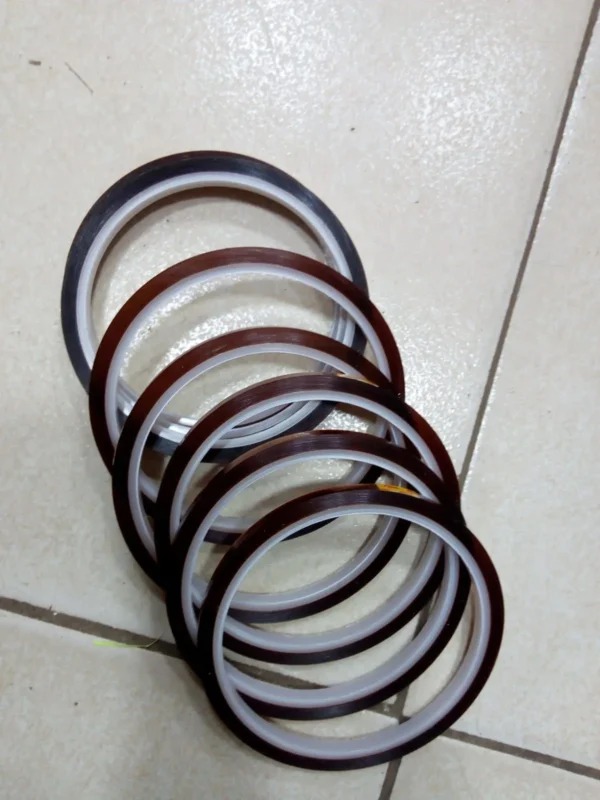
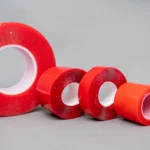
Thermal tape from Foreverbrand – rolls of polyimide tape, commonly known as Kapton tape or heat-resistant tape. Designed to withstand high temperatures up to 260°C (500°F). Ideal for electrical insulation, PCB masking during wave soldering, 3D printing surfaces, and heat press transfer printing. Amber-colored, wear-resistant, and removes without leaving adhesive residue.
Specifications:
Material: Polyimide film (Kapton®)
Adhesive: Silicone-based
Color: Amber / Brown
Temperature Resistance: Up to 260°C (500°F) continuous, 350°C (662°F) short-term
Thickness: Thin film (typically 0.05mm-0.08mm total)
Key Features: Residue-free removal, high dielectric strength, chemical resistance
Pricing:
Thermal Tape (Kapton Tape): KSh 500
Best For:
Sublimation printing heat press masking, PCB wave soldering protection, 3D printer bed adhesion, electrical insulation, powder coating masking, and high-temperature industrial applications across Nairobi.
- Description
Description
Thermal Tape Kapton Tape Nairobi – Heat Resistant Solution from Foreverbrand
Thermal tape from Foreverbrand is rolls of polyimide tape, commonly known as Kapton tape or heat-resistant tape. Designed to withstand high temperatures up to 260°C (500°F). Ideal for electrical insulation, PCB masking during wave soldering, 3D printing surfaces, and heat press transfer printing. Amber-colored, wear-resistant, and removes without leaving adhesive residue. Available across Nairobi and delivered nationwide.
What is Thermal Tape (Kapton Tape)?
Thermal tape, also known as polyimide tape or Kapton tape, is a specialty tape designed for high-temperature applications.
What makes it special:
The tape is made from polyimide film, a material that withstands extreme heat. The adhesive is silicone-based, not standard acrylic. The tape remains stable and functional at temperatures that would melt ordinary tape. It is thin, flexible, and conforms to irregular surfaces. It removes cleanly without leaving sticky residue behind.
The amber color is distinctive:
You can identify genuine polyimide tape by its amber or brown color. This color comes from the polyimide material itself. It is not a dye or coating that can wear off. The color darkens slightly with extreme heat exposure.
Temperature Resistance Up to 260°C
The most important feature of thermal tape is its heat resistance.
Continuous use temperature: 260°C (500°F)
The tape can be used continuously at this temperature. It will not melt, degrade, or lose adhesion. It maintains its physical properties. It protects whatever is underneath.
Short-term exposure: 350°C (662°F)
For brief periods, the tape can withstand even higher heat. This is useful for soldering and other short-duration processes. The tape remains functional during the operation.
Why this matters for your work:
Ordinary masking tape fails at 100°C. Duct tape fails at even lower temperatures. Painter’s tape cannot handle heat at all. Only polyimide tape works for high-temperature applications.
Perfect for Sublimation Printing Heat Press Masking
Sublimation printing involves high heat and pressure. Thermal tape is essential for this process.
How sublimation masking works:
You print your design on sublimation paper. You position the paper on your substrate. You use thermal tape to hold the paper in place. You close the heat press at high temperature. The tape withstands the heat without failing.
Why ordinary tape fails in sublimation:
Regular tape melts in the heat press. Melted tape ruins your project. Adhesive transfers to your substrate. The paper shifts during pressing. The entire print can be ruined.
Thermal tape solves these problems:
The tape stays intact at pressing temperatures. The silicone adhesive holds securely. The tape removes cleanly after pressing. No residue on your finished product. Perfect results every time.
Application tips for sublimation:
Use small pieces of tape at the paper edges. Do not tape over your printed design. Remove the tape while still warm for easiest removal.
Ideal for PCB Wave Soldering Protection
Printed circuit board (PCB) manufacturing requires heat-resistant masking.
What is wave soldering:
Wave soldering is a bulk soldering process for PCBs. The board passes over a wave of molten solder. Only certain areas should receive solder. Other areas must be protected.
How thermal tape helps:
Apply thermal tape over areas that should not be soldered. The tape withstands the molten solder temperature. It prevents solder from reaching protected areas. It removes cleanly after soldering. No residue remains on the board.
Why PCBs need polyimide tape:
Solder temperatures exceed 250°C. Only polyimide tape can handle this heat. Other tapes would melt into the solder. The result would be a ruined circuit board.
Perfect for 3D Printer Bed Adhesion
3D printing enthusiasts use thermal tape on their printer beds.
What is a 3D printer build surface:
The build plate is where the printer creates the object. The first layer must stick to the plate. Poor adhesion causes failed prints. Different materials need different surfaces.
How thermal tape helps 3D printing:
Apply polyimide tape to your print bed. The tape provides an excellent printing surface. Prints stick well during printing. Prints release easily when cooled. The tape withstands heated bed temperatures.
Benefits for 3D printing:
Reusable for many prints between replacements. Smooth surface finish on printed parts. No glue or hairspray needed. Easy to apply and remove. Protects the underlying print bed.
Ideal for Electrical Insulation
Polyimide tape has excellent electrical insulation properties.
What is dielectric strength?
Dielectric strength measures how well a material insulates against electricity. Higher numbers mean better insulation. Polyimide tape has very high dielectric strength.
Electrical applications:
Insulating exposed wires and connections. Protecting circuit boards from shorts. Wrapping transformer coils and motor windings. Masking electrical contacts during processing. Creating insulating layers in electronics.
Why choose polyimide for electrical work:
The tape is thin enough for tight spaces. It withstands heat from electrical components. It resists chemicals and moisture. It provides reliable insulation. It removes without residue if needed.
Perfect for Powder Coating Masking
Powder coating requires high-temperature masking.
What is powder coating:
Powder coating is a dry finishing process. Powder is electrostatically applied to metal. The part is baked in an oven at high heat. The powder melts and fuses into a durable finish.
How thermal tape helps:
Apply tape to areas that should not be coated. The tape withstands the baking temperature. It prevents powder from reaching protected areas. It removes cleanly after baking. No residue on the finished part.
Why powder coaters use polyimide tape:
Baking temperatures range from 180°C to 220°C. Only polyimide tape survives this heat. Other tapes melt into the coating. The result is ruined parts.
Residue-Free Removal
One of the best features of thermal tape is how it removes.
The problem with ordinary tape:
Ordinary tape leaves sticky residue behind. The residue attracts dirt and dust. It must be cleaned off with solvents. Cleaning takes time and effort. Solvents can damage sensitive components.
Thermal tape removes cleanly:
The silicone adhesive releases cleanly from surfaces. No sticky residue remains. No cleaning solvents needed. The surface is ready for the next step immediately.
What this means for your work:
Faster production with less cleanup. No damage to sensitive surfaces. No residue on finished products. Less waste from cleaning materials. Better professional results.
Wear-Resistant for Demanding Applications
Thermal tape is designed to withstand wear and abrasion.
Why wear resistance matters:
Tape may be rubbed or touched during processing. Edges may be bumped by tools or parts. Abrasive materials may contact the tape surface. The tape must survive these conditions.
Polyimide tape holds up well:
The polyimide film is tough and durable. It resists tearing and puncturing. It does not fray or unravel at edges. It maintains its protective properties. It lasts through multiple process cycles when used carefully.
Chemical Resistance for Harsh Environments
Polyimide tape resists many chemicals that destroy ordinary tape.
Chemicals that polyimide resists:
Many solvents and cleaning agents. Oils and lubricants. Acids and alkalis in moderate concentrations. Fluxes used in soldering. Many industrial processing chemicals.
Why chemical resistance matters:
Your work environment may contain chemicals. Spills and splashes can contact your tape. The tape must not degrade or fail. Chemical resistance ensures reliable protection.
Limitations:
Always test for your specific chemicals. Extreme concentrations may affect the tape. Prolonged immersion may cause issues. Consult technical specifications for details.
Sublimation Masking Applications
Beyond holding paper in place, thermal tape has other sublimation uses.
Complex sublimation projects:
Masking off areas of a substrate that should not print. Creating layered or multi-color sublimation designs. Protecting finished areas while pressing other areas. Preventing ink migration on certain materials.
How thermal tape excels:
The tape blocks sublimation ink transfer. Ink will not go through the tape. The masked area stays unprinted. Clean edges between masked and unmasked areas. Perfect for detailed sublimation work.
High Dielectric Strength for Electronics
Electrical insulation is a primary use for polyimide tape.
What high dielectric strength means:
The tape can withstand high voltage without breaking down. It prevents arcing and short circuits. It provides reliable electrical isolation. It is safe for use around live circuits.
Specific electronics applications:
Insulating between layers of wound coils. Masking contact pads during conformal coating. Protecting sensitive components during assembly. Wrapping wire harnesses in high-heat areas. Creating insulating barriers in power supplies.
Thin Film for Precision Work
Thermal tape is extremely thin, measuring only 0.05mm to 0.08mm total thickness.
Why thinness matters:
The tape does not add bulk to your project. It fits into tight spaces and gaps. It conforms to curves and irregular surfaces. It does not interfere with tolerances. It is barely visible after application.
Applications where thinness helps:
PCB masking where space is limited. 3D printing where bed height matters. Electrical wrapping in compact devices. Precision soldering operations. Any application with tight clearances.
How to Use Thermal Tape
Using thermal tape is straightforward but requires some technique.
Application tips:
Clean the surface before applying tape. Remove any dust, oil, or contamination. Press the tape firmly onto the surface. Use a roller or squeegee for full contact. Ensure edges are sealed to prevent seepage.
Removal tips:
Remove the tape while still warm for easiest removal. Pull at a shallow angle, not straight up. If residue remains, use isopropyl alcohol. Heat stubborn residue with a heat gun. The tape should remove cleanly in most cases.
Storage tips:
Store tape in a cool, dry place. Keep away from direct sunlight. Seal the roll end to prevent contamination. Use within manufacturer’s recommended shelf life. Polyimide tape lasts well but ages eventually.
Why Choose Foreverbrand
Foreverbrand focuses on delivering quality supplies and reliable service. Our team ensures each roll of thermal tape meets high standards for heat resistance, adhesive quality, and clean removal.
Our Thermal Tape Features:
Premium Material: Genuine polyimide (Kapton) film
High Temperature Resistance: Up to 260°C continuous, 350°C short-term
Silicone Adhesive: Holds securely, removes cleanly
Residue-Free Removal: No sticky residue left behind
High Dielectric Strength: Excellent electrical insulation
Chemical Resistance: Withstands many industrial chemicals
Thin Film: 0.05mm-0.08mm for precision work
Affordable: KSh 500 per roll
Fast Turnaround: Within Nairobi
Nationwide Delivery: Across Kenya
Order Thermal Tape Nairobi Today
If you are looking for thermal tape (Kapton tape) for sublimation printing, PCB soldering, 3D printing, electrical insulation, or powder coating masking in Nairobi, Foreverbrand provides high-quality heat-resistant tape that performs reliably.
Email: sales@foreverbrand.co.ke
Call or WhatsApp: 0741371516
Visit: Bulls corner, Keekorok Road opposite sunrise hotel near khoja roundabout
Website: foreverbrand.co.ke
Contact Foreverbrand today to get your thermal tape and protect your high-temperature projects across Nairobi and Kenya.